
Build the Table: A Lesson from Wilberforce
The table was crowded. Not only with people, but with differences. The men seated around it came from different worlds and spoke in different registers. Some arrived with moral certainty, others with political caution. A few talked numbers. A few talked consequences. None of them agreed on everything, and no amount of conversation was going to fix that.
What they shared was simpler—and rarer. They believed the slave trade was wrong, and that it must end.
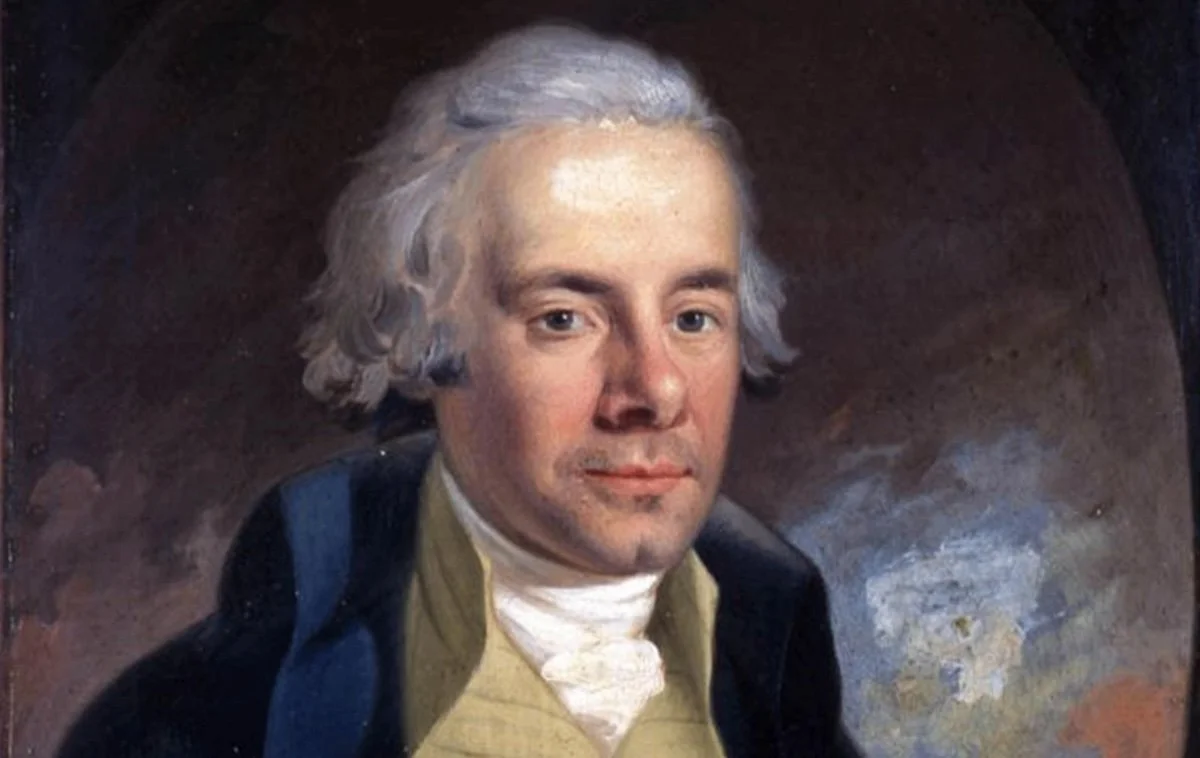
William Wilberforce, a tenacious reformer, historic evangelical, and ardent slavery abolitionist, did not build his coalition by pretending differences didn’t exist. He simply refused to let them become the point. He drew a line around a single, immovable truth and built the table there. Whoever could stand on that ground had a seat.
The alliance he built was remarkably diverse, bridging deep religious, political, and social divides. His allies included Quakers, evangelical Anglicans of the Clapham Sect, radical investigators like Thomas Clarkson and legal pioneer Granville Sharp, repentant ex-slave trader John Newton, and cross-party politicians from Tory Prime Minister William Pitt to Whig leader Charles James Fox. This broad, inclusive network united faith, activism, and strategy.
It was not a coalition of shared backgrounds. It was a coalition of shared resolve.
Wilberforce did not soften his convictions to make the room more comfortable. He kept them firm—and made room anyway. He spoke to men in the language they understood without changing what he believed. Moral clarity remained intact; strategy adapted.
“God Almighty has set before me two great objects,” he wrote, “the suppression of the slave trade and the reformation of manners.” The clarity of the goal made the diversity of the coalition possible.
This is the part we often miss.
Coalition is not compromise. It is focus. It is the discipline of knowing what must be fought for—and refusing to fracture over everything else. It is the courage to work alongside people you disagree with because the cause is larger than the differences.
The abolition of the slave trade was not won by unanimity. It was won because enough people planted their feet on common ground and refused to leave it.
We live in a moment obsessed with alignment and suspicious of cooperation. We sort quickly, label easily, and walk away often. We confuse disagreement with disloyalty and purity with effectiveness. We wait for perfect partners—and end up fighting alone.
But history does not move because everyone agrees. It moves when conviction finds common ground and chooses to fight together.
So build the table.
Not around personality.
Not around preference.
Around the truth you refuse to abandon.
Invite those who share the goal, even if they arrive with different reasons. Stand firm in your convictions—and stand together anyway.
Because the most lasting change is not made by those who agree on everything.
It is made by those who find the ground worth standing on—and refuse to surrender it.